For seniors, staying active isn’t just about exercise — it’s about protecting independence, strengthening the body, stimulating the mind, and remaining socially engaged in ways that support long-term well-being.
As we age, movement, routine, and connection play a vital role in maintaining physical health, emotional balance, cognitive resilience, and overall quality of life. Seniors who build sustainable habits around activity and engagement are more likely to feel energized, confident, purposeful, and supported in their daily lives.
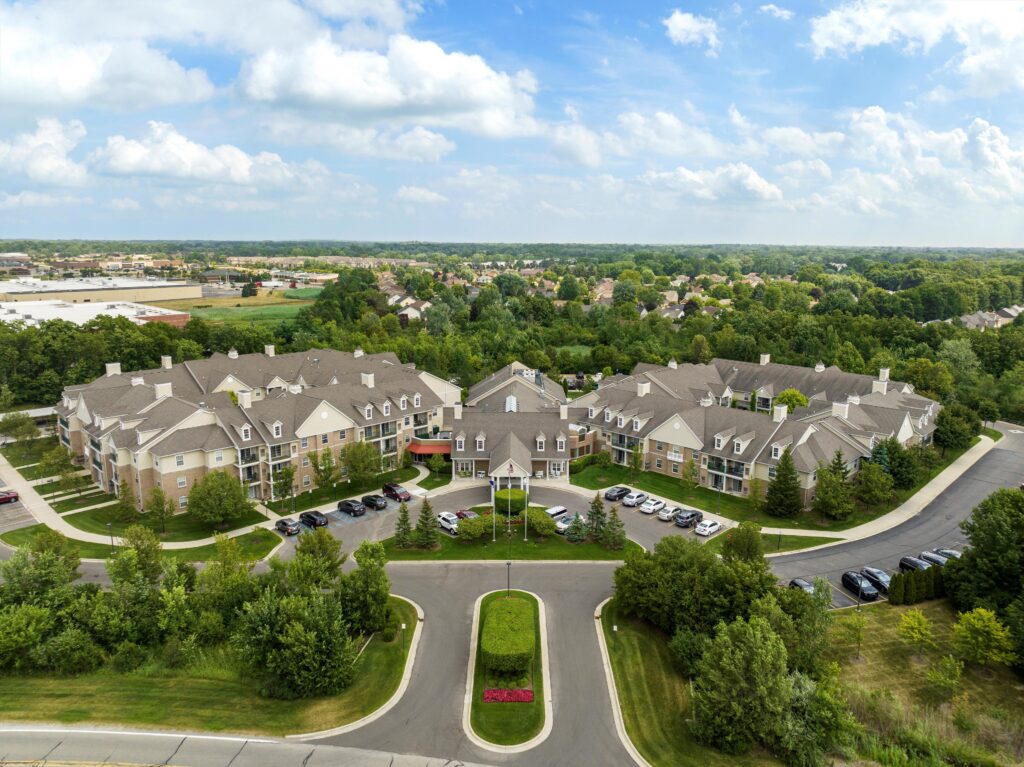
With more than 20 years working in senior living and helping families navigate lifestyle transitions, the team at All Seasons Senior Living has seen one consistent truth: seniors thrive most in environments that make movement easy, social connection natural, and life feel fuller — without unnecessary stress or barriers.
Simple Ways Seniors Can Stay Physically Active
Daily movement helps boost energy, improve balance, and keep joints comfortable. The best activity routines are not about intensity — they’re about consistency, accessibility, and enjoyment.
Seniors benefit from exercises such as:
- Gentle stretching to support flexibility
- Low-impact strength training to maintain muscle and bone health
- Chair yoga and light cardio for all ability levels
- Balance-focused movement to support confidence and fall prevention
- Walking for circulation, endurance, mobility, and mental clarity
For many, knowing that supportive wellness programs are available in senior living communities removes the stress of trying to coordinate fitness plans during unpredictable weather or seasonal barriers.
Workshops and Programs That Keep the Mind Engaged
Mental stimulation is a key part of long-term well-being. Purposeful programs encourage curiosity, creativity, and lifelong learning.
Some enjoyable senior living activities include:
- Art classes and hands-on craft workshops
- Book clubs and discussion groups
- Guest speaker sessions and educational lectures
- Gardening clubs
- Men’s groups
- Personal technology classes
- Music-based enrichment and performances
- Acting and improv classes
- Instructor led fitness classes
- Chef demonstrations and interactive culinary experiences
These programs support memory, creativity, self-expression, and engagement — while providing reassurance to families that their loved one’s days are filled with variety and meaning.
The Importance of Social Connection and Community
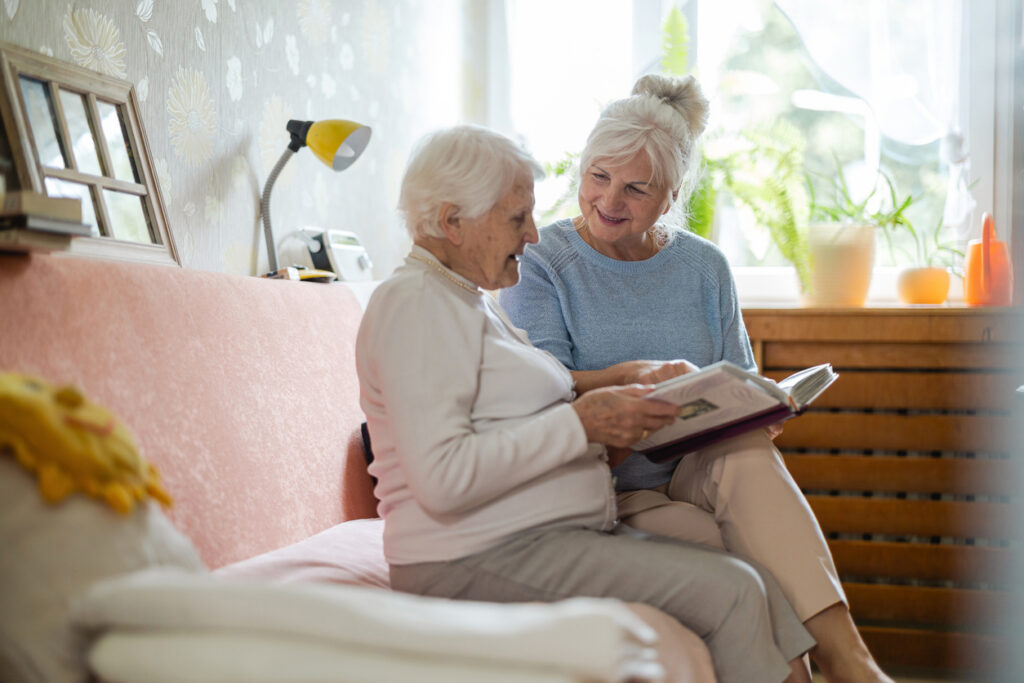
Loneliness doesn’t just affect mood — it can impact overall health. Seniors flourish when connection is built into daily life through shared spaces and intentional community experiences.
Seniors benefit from environments that include:
- Warm, inviting common areas for conversation and friendship
- Casual meetups, social hours, and community-based gatherings
- Movie nights, game nights, and interest-led group activities
- Shared dining experiences that make connection effortless
- A community of neighbors, staff, and friends who make each day feel meaningful
Families often share that once their loved one is settled into a supportive community, they worry less about isolation, nutrition, or safety — and can return to enjoying their relationship rather than managing logistics.
A Sustainable Lifestyle That Supports Independence
Purpose often comes from simple, predictable routines — attending a favorite fitness class, working on a creative project, or joining a weekly group activity. A supportive community helps seniors stay engaged without the pressure of managing everything on their own.
An environment built with support includes:
- Safe, maintenance-free living
- Chef-prepared meals created with dietary needs in mind
- On-site wellness and enrichment programs
- Concierge services that make daily life easier
- Thoughtfully designed spaces that encourage connection and movement
Seniors who feel supported don’t lose independence — they gain the freedom to enjoy life more fully.
Next Steps for Families Supporting a Senior’s Lifestyle
If you’re helping a parent or loved one explore ways to support long-term activity and connection, here are a few next steps you can take today:
- Start a casual conversation about what routines, activities, and conveniences matter most to them.
- Take note of any patterns around mobility, energy, or social engagement that may guide future planning.
- Identify 2–3 features that would genuinely support their daily enjoyment (easier mobility, dining, connection, social programs, fitness, etc.).
- Plan to tour or visit a senior living community together during your next family trip — not to decide, but to observe, share impressions, and explore what resonates.
- Schedule a follow-up conversation for 30–60 days later to revisit what you both learned and what felt most meaningful.
Small, thoughtful steps now can bring confidence and clarity into future lifestyle decisions.
Final Thought
A sustainable approach to senior wellness is not about a single season — it’s about building a lifestyle that supports movement, nourishment, purpose, safety, and human connection every day of the year.
The best conversations and decisions are rooted not in urgency, but in curiosity, patience, shared discovery, and possibility.
When you start small and lead with care, seniors feel empowered — and families feel more confident and aligned for whatever comes next.
Want to know more? Contact All Seasons Senior Living today!