Quick Summary: Where you live can have a meaningful impact on your health, happiness, and overall quality of life. Discover how social connection, purposeful programming, and supportive environments at All Seasons Senior Living encourage healthy aging and long-term well-being.
When most people think about healthy aging, they think about individual habits: eating well, staying active, and keeping up with medical care. Those things matter. But increasingly, research points to something else that plays a major role in long-term well-being: environment.
Where and how we live shapes daily movement, social connection, stress levels, cognitive engagement, and overall quality of life. For older adults, especially, those factors are not secondary to health outcomes, they are deeply connected to them.
That is part of what makes the decision to move to an independent living community so significant. It’s not simply a housing decision. It’s often a lifestyle decision that influences how supported, engaged, and connected someone feels over time.
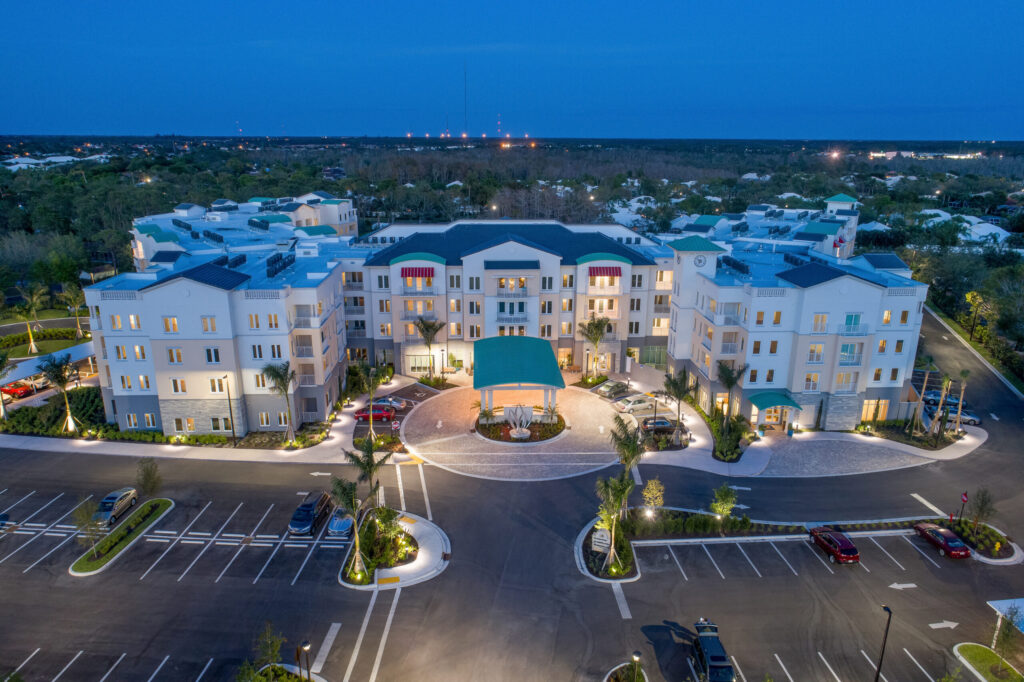
At All Seasons Senior Living, that perspective shapes the resident experience across every community. The goal is not simply to provide beautiful surroundings. It’s to create an environment intentionally designed to support healthy aging in practical, meaningful ways.
Why Environment Matters More with Age
As people age, daily routines naturally become more influential. Small barriers that once felt manageable — cooking every meal, maintaining a large home, driving at night, navigating isolation after retirement — can quietly reduce quality of life over time.
Healthy aging is influenced not only by medical care, but by social connection, physical activity, nutrition, and access to supportive environments.
That environment can either encourage engagement or unintentionally reinforce isolation.
For many older adults living alone, social interaction gradually becomes less frequent. Physical activity decreases. Daily routines shrink. Families often notice this slowly: fewer outings, less energy, less enthusiasm for things that once felt enjoyable.
One of the most overlooked benefits of independent living for seniors is how naturally a thoughtfully designed environment can reverse that pattern.
The Benefits of Socialization for Seniors
Social connection is increasingly recognized as a critical part of healthy aging. According to research highlighted by Mayo Clinic Press, strong social relationships are associated with better cognitive health, improved emotional well-being, and even increased longevity.
The key difference in a strong senior living environment is that connection becomes built into everyday life.
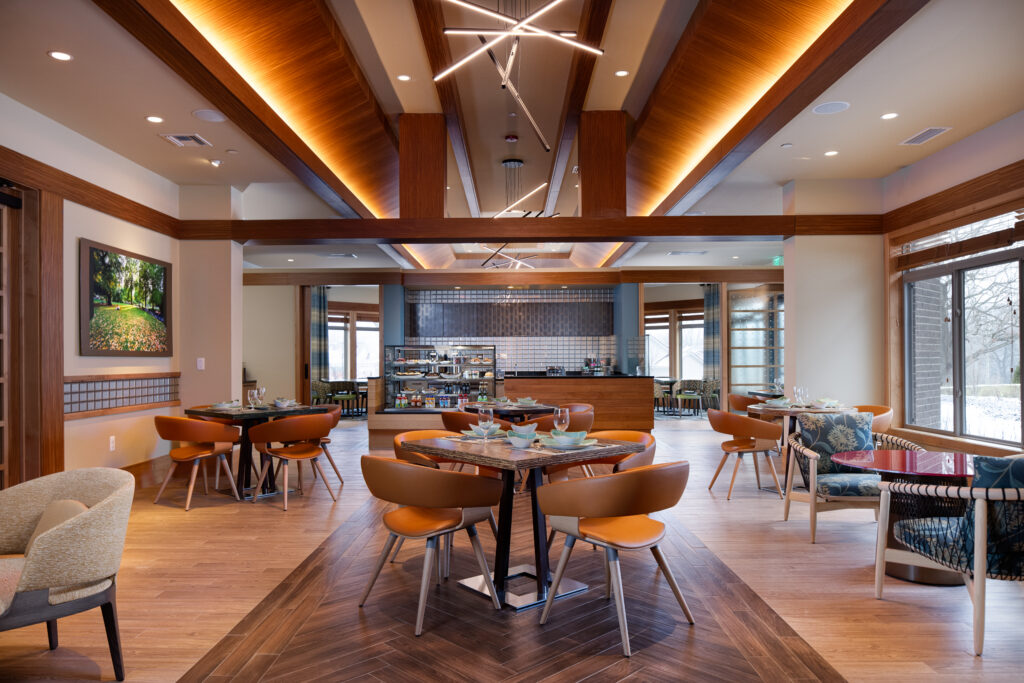
Residents do not have to work as hard to create opportunities for interaction. Conversations happen naturally over coffee. Friendships form through shared routines. Wellness classes, cultural events, lectures, outings, and communal dining create ongoing opportunities for meaningful engagement without making socialization feel forced.
At All Seasons, lifestyle programming is designed around five pillars of well-being:
- Purpose
- Social connection
- New relationships
- Physical movement
- Cognitive stimulation
That philosophy reflects a broader understanding of healthy aging: people thrive when they remain connected to both community and purpose.
Physical Environment Plays a Role in Healthy Aging
The physical environment matters too, often more than families initially realize.
Walkable layouts encourage movement throughout the day. Access to fitness spaces and wellness programming supports mobility and strength. Natural light, outdoor gathering spaces, and thoughtfully designed common areas all contribute to emotional well-being and daily routine.
Even something as simple as removing the stress of home maintenance can have a measurable impact on quality of life.
Instead of spending energy managing household responsibilities, residents are often able to redirect that energy toward activities, relationships, and experiences that feel genuinely fulfilling.
- That shift tends to happen gradually, but families often notice it clearly:
More participation.
More consistency.
More ease in day-to-day life.
Healthy Aging Requires More Than Healthcare
Healthcare matters, but healthy aging is not built through medical appointments alone.
The strongest environments support wellness proactively rather than reactively. That includes:
- Consistent daily movement
- Access to nutritious meals
- Cognitive engagement
- Social interaction
- Reduced stress and isolation
- Opportunities for lifelong learning and creativity
Research continues to show that these factors work together, not separately.
That is one reason many older adults find themselves feeling more active and engaged after moving into independent living than they did while managing life entirely on their own.
Purpose and Engagement Matter Too
One of the most important and often underestimated aspects of longevity is purpose.
Studies around concepts like Ikigai, the Japanese philosophy often translated as “that which makes life worth living,” suggest that maintaining a sense of meaning and engagement contributes significantly to long-term well-being.
At All Seasons, programming is intentionally shaped around resident interests rather than generic activity schedules. Residents help guide experiences through conversations, feedback, and participation, creating a culture that feels personal rather than prescriptive.
That distinction matters.
A full calendar alone does not create engagement. Feeling connected to how you spend your time does.
Frequently Asked Questions About Healthy Aging and Senior Living
Q: How does environment affect healthy aging?
A: Environment influences daily movement, nutrition, social interaction, stress levels, and cognitive engagement — all factors that contribute to long-term health and well-being.
Q: What are the benefits of socialization for seniors?
A: Social connection supports emotional health, cognitive function, and overall quality of life. Research has linked strong social relationships with healthier aging outcomes and reduced isolation.
Q: Can independent living support healthy aging?
A: Yes. Independent living communities can support healthy aging by creating opportunities for connection, wellness, physical activity, and purposeful daily engagement within a supportive environment.
Q: What makes a senior living environment healthy?
A: Strong senior living environments support the whole person — physically, socially, emotionally, and cognitively — through thoughtful design, wellness programming, meaningful engagement, and consistent daily support.
All Seasons Living: A More Thoughtful Way to Think About Longevity
Healthy aging is not simply about adding years. It’s about preserving quality of life within those years.
The environment surrounding a person every day — the people, routines, opportunities, and support systems around them — plays a larger role in that outcome than many families initially expect.
At All Seasons Senior Living, that understanding shapes how communities are designed and how daily life is experienced: with connection, purpose, wellness, and long-term well-being at the center.
If you are beginning to explore independent living options, visiting a community in person often provides the clearest perspective. We look forward to meeting you!